
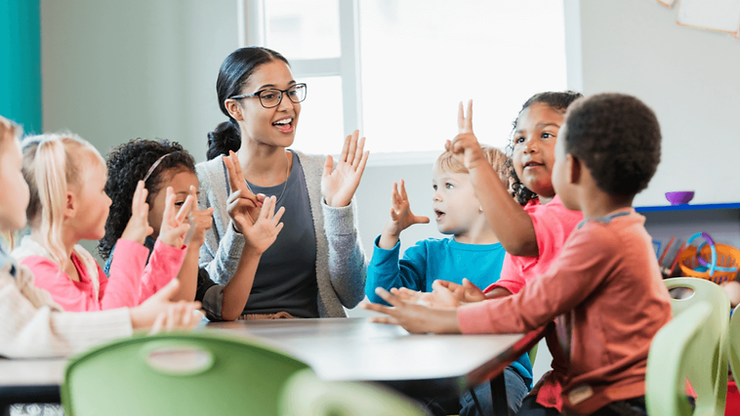

The classroom is often viewed through the lens of curriculum standards, assessment metrics, and instructional delivery. Yet, beneath the mechanics of teaching lies a profound human dynamic that dictates the success of these efforts: the teacher-student relationship. This bond is not merely a pleasant byproduct of a well-run classroom; it is the fundamental vehicle through which learning occurs. When a student feels connected to their educator, their capacity for cognitive engagement, risk-taking, and emotional regulation expands significantly. Conversely, when this relationship is strained or nonexistent, the most sophisticated lesson plans often fail to produce meaningful outcomes.
The Foundation of Emotional Safety
Learning is an inherently vulnerable process. It requires students to admit what they do not know, to attempt difficult tasks with the possibility of failure, and to expose their ideas to critique. For this to happen, the brain must feel safe. When a student perceives their teacher as an ally—someone who is invested in their growth rather than merely their compliance—the nervous system relaxes.
In an environment characterized by trust, the brain shifts from a state of survival-based anxiety to a state of receptive learning. This emotional safety allows students to move beyond the surface level of memorization and into deeper, more analytical thinking. If a student fears humiliation or perceives the teacher as indifferent, their cognitive resources are redirected toward self-protection and social navigation, leaving little capacity for academic exploration.
The Mechanics of Student Engagement
Engagement is not a static state; it is a fluid reaction to the classroom environment. While a teacher can design an engaging lesson, the student must choose to invest their mental energy into it. This choice is almost always mediated by the quality of the relationship with the instructor.
When students like and respect their teacher, they are naturally more inclined to participate, ask questions, and persist through challenging material. This phenomenon is often rooted in the concept of social motivation. Students want to perform well for teachers who they believe care about them. This creates a feedback loop of positive reinforcement:
-
Increased Participation: Students who feel valued are more likely to offer contributions, even if they are uncertain of the answer.
-
Higher Persistence: When facing a difficult concept, a student with a strong rapport with their teacher is more likely to ask for help rather than simply giving up.
-
Improved Classroom Management: A relationship-based classroom reduces the need for heavy-handed discipline, as students are more willing to adhere to norms established by someone they respect.
Empathy as an Instructional Strategy
Empathy is frequently categorized as a “soft skill,” but in the context of pedagogy, it is a precision instrument. An empathetic teacher is one who can sense when a student is struggling, not just with a math problem, but with the frustration or personal stress that might be blocking their progress.
By actively practicing perspective-taking, teachers can adapt their instruction to meet the emotional and academic needs of the individual. This does not mean lowering expectations; rather, it means providing the necessary scaffolding to help students reach high standards. When a teacher acknowledges the difficulty of a task and validates the student’s effort, they demystify the learning process. They transform the teacher role from a gatekeeper of knowledge to a partner in discovery. This partnership empowers students to take ownership of their learning trajectory.
The Long-term Psychological Benefits
The impact of positive teacher-student relationships extends far beyond the academic calendar. For many young people, a supportive teacher serves as a crucial mentor during formative years. These relationships can provide a sense of stability, especially for students who may lack strong support systems at home.
Students who experience positive interactions with teachers are more likely to develop a growth mindset. They learn to view feedback as constructive information rather than a personal judgment of their intelligence. Furthermore, the capacity to form healthy relationships with authority figures in school translates to better professional and social outcomes in adulthood. When students learn that they can communicate their needs, negotiate conflicts, and receive mentorship within the classroom, they carry those interpersonal tools with them into their future careers and personal lives.
Navigating Challenges in the Relationship
Maintaining positive relationships is not without its difficulties. Teachers are human, prone to fatigue and bias, and students come from diverse backgrounds with varying temperaments. Acknowledging that every relationship will have moments of tension is essential. The strength of the connection is often determined not by the absence of conflict, but by how it is repaired.
When a teacher makes a mistake or a misunderstanding occurs, taking accountability is a powerful act. It models the behavior expected of the students and reinforces the humanity of the educator. Acknowledging an error builds immense trust. It signals to the student that the classroom is a space where honesty is valued above perfection.
The Role of Cultural Responsiveness
Effective teacher-student relationships are deeply informed by the ability to bridge cultural divides. A student who feels that their identity, language, or background is ignored or suppressed by their teacher will find it nearly impossible to fully engage.
Cultural responsiveness involves moving beyond stereotypes to understand the specific experiences and values that each student brings to the table. When educators make an effort to integrate the lived realities of their students into the curriculum, it validates the students’ worth. This validation is a primary driver of academic engagement. It tells the student that they belong in the academic space and that their voice has significance.
Cultivating Professional Authenticity
Ultimately, the most successful teacher-student relationships are built on authenticity. Students are remarkably adept at detecting insincerity. They can tell when a teacher is “performing” interest rather than genuinely caring. Authenticity does not require a teacher to be an open book about their private life; it requires them to be present, consistent, and honest in their interactions.
When teachers show their enthusiasm for a subject, admit when they do not know an answer, and treat students with the same level of courtesy they would expect from their peers, they cultivate an environment of mutual respect. This respect is the bedrock of academic success. As the educational landscape becomes increasingly focused on technology and data, we must not lose sight of the fact that teaching is, at its heart, a human endeavor. The most effective instructional technology ever developed is, and always will be, a caring and committed teacher.
Frequently Asked Questions
Can a teacher be too close to their students?
Yes, maintaining professional boundaries is essential for the health of the relationship. While a teacher should be warm and supportive, they must avoid becoming a peer or a therapist. Clear boundaries help students feel safe by providing a consistent and reliable structure.
How can a teacher build relationships with hundreds of students in a day?
Building meaningful connections does not require hours of individual time. It is achieved through consistent, brief interactions—such as greeting students at the door, using names, and offering small, specific words of encouragement. The cumulative effect of these small moments is substantial.
Does a strong relationship lead to grade inflation?
Not necessarily. A strong relationship often allows for higher expectations because the student feels safe enough to take on challenges. When a teacher provides clear, honest feedback within the context of a supportive relationship, the student is more likely to accept it as a tool for growth rather than a slight.
How does remote learning affect the quality of these relationships?
Remote learning makes the non-verbal cues of connection more difficult to perceive. It requires teachers to be much more intentional about reaching out, utilizing video check-ins, and creating digital spaces where students feel comfortable expressing themselves without the fear of judgment.
What should a teacher do if a student is consistently resistant to connecting?
Some students have learned through past experiences that it is safer to keep adults at a distance. In these cases, consistency is the key. Continue to show up, be reliable, and offer small kindnesses without demanding an immediate return. Eventually, the student may lower their guard when they realize the teacher’s commitment is genuine.
Is it possible for a teacher to have a favorite student?
Teachers are human and will naturally feel more of a connection with some students than others. The goal is to ensure that these personal feelings do not dictate the quality of instruction or support provided. Equitable treatment remains the standard, regardless of personal chemistry.
Can introverted students benefit from these relationships as much as extroverted ones?
Absolutely. For introverted students, a strong teacher-student relationship is often the primary way they feel empowered to participate in class. A teacher who recognizes the student’s unique style of engagement can provide the space they need to thrive without forcing them into a mold that feels uncomfortable.
