
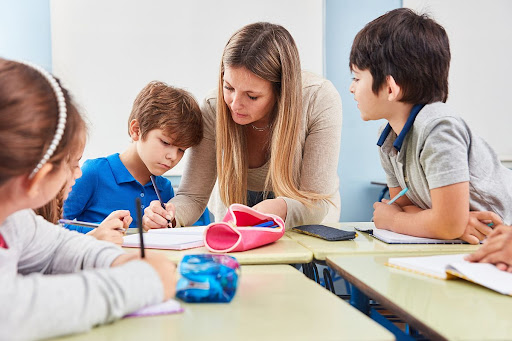

The Foundation of Lifelong Learning
Education is more than academics, it is about shaping the mind, heart, and spirit of each student. Families today seek schools that provide not only strong academic standards but also a nurturing environment where children develop resilience, confidence, and values that carry into adulthood. When a school blends tradition with innovation, students receive a balanced foundation that prepares them for both professional success and meaningful personal lives. If you want to learn more about schools that embody this philosophy, you’ll find many with a legacy of excellence and dedication to holistic growth.
The Importance of Community in Education
One of the most defining aspects of a successful school is the sense of community. Children flourish when they feel safe, supported, and encouraged by both peers and mentors. A strong school community builds trust, promotes collaboration, and teaches empathy. Students not only learn from textbooks but also from shared experiences that shape their social awareness. This environment allows them to respect diverse perspectives while developing their own voice.
-
Students gain a sense of belonging, which boosts confidence
-
Teachers become mentors and role models beyond academics
-
Parents feel engaged and active in their child’s development
A child who grows in such an environment carries forward values of kindness, leadership, and responsibility.
Academics with a Purpose
While traditional learning emphasizes test scores, true academic excellence comes from sparking curiosity. A meaningful curriculum challenges students to think critically, explore problem-solving methods, and apply concepts to real-world contexts. Schools that provide experiential learning opportunities, project-based activities, and creative exploration help children retain knowledge more effectively.
For example, instead of memorizing scientific theories, students might conduct experiments, observe outcomes, and present findings. This hands-on learning ensures they understand the “why” behind the concepts. When knowledge is tied to experience, retention and application become second nature.
Character Development as a Core Value
Strong academics alone do not create strong leaders. Character development is equally vital. Schools that prioritize integrity, compassion, and accountability give students tools to navigate life’s challenges with wisdom. These qualities are cultivated through:
-
Service learning opportunities that instill empathy
-
Leadership programs that encourage responsibility
-
Reflection practices that build self-awareness
By the time students graduate, they not only excel in academic skills but also in decision-making, interpersonal relationships, and moral responsibility.
The Role of Faith and Spiritual Guidance
For many families, faith-based education plays an essential role in developing a child’s values and worldview. Schools that integrate spiritual growth into the learning process encourage students to view education as more than intellectual development. It becomes a journey of discovering purpose, building compassion, and aligning actions with beliefs. This faith-driven perspective gives children a moral compass that helps guide choices both in and outside the classroom.
Extracurricular Activities for Balanced Growth
Education extends beyond the classroom. Extracurricular activities such as athletics, arts, and clubs provide students with creative outlets and teamwork opportunities. These programs teach perseverance, discipline, and collaboration. They also uncover hidden talents, build self-esteem, and encourage students to balance responsibility with enjoyment.
A child who participates in sports learns discipline, while one who engages in the arts develops creativity and expression. Both experiences contribute to a well-rounded individual prepared for the complexity of modern life.
Technology as a Learning Tool
In today’s world, technology is inseparable from education. However, the key lies in using technology not as a distraction but as a tool for deeper learning. Schools that integrate digital platforms thoughtfully prepare students for the demands of the future workforce. Interactive classrooms, coding lessons, and research-based assignments encourage students to see technology as a resource rather than entertainment.
This balance ensures children remain digitally literate while retaining essential critical thinking skills that technology cannot replace.
Preparing Students for the Future
The world children will inherit is rapidly changing. Careers that exist today may not exist tomorrow. That is why schools must focus not only on current academic knowledge but also on future-ready skills such as adaptability, collaboration, and innovation. Students who are taught how to think rather than what to think will be prepared to thrive in any environment.
Forward-thinking schools encourage entrepreneurship, global awareness, and problem-solving initiatives. Students are not only preparing for college, they are preparing for a life of continued learning and evolving opportunities.
Parental Engagement in the Learning Journey
A child’s education is most successful when parents and schools work as partners. Open communication, family involvement, and shared goals build a bridge between home and school. Parents who engage in this process see their children more motivated and confident.
This partnership goes beyond attending school events. It involves continuous dialogue, active participation in volunteer opportunities, and reinforcing lessons taught at school in the home environment. A strong parent-school partnership creates consistency in values and learning.
Why the Right School Choice Matters
The environment where a child learns is as critical as the curriculum itself. Families must choose schools that align with their values, priorities, and long-term goals for their children. A nurturing school shapes the entire person, not just the academic achiever. To learn more about schools that emphasize this holistic approach, families can explore institutions that have a proven track record of combining tradition, innovation, and values.
Frequently Asked Questions
Q. How does holistic education differ from traditional education?
A. Holistic education goes beyond academic performance. It focuses on developing the whole child, including intellectual, emotional, social, physical, and spiritual growth. Traditional education often emphasizes grades and standardized tests, while holistic education balances knowledge with life skills and values.
Q. Why are extracurricular activities considered essential?
A. Extracurricular activities give students opportunities to discover passions, develop talents, and practice teamwork. They contribute to character development by teaching perseverance, discipline, and balance, all of which are valuable in adult life.
Q. How can parents support their child’s education outside of school?
A. Parents can support their children by maintaining open communication with teachers, reinforcing lessons at home, encouraging curiosity, and modeling positive behavior. Even small actions like reading together or discussing current events can significantly boost a child’s confidence and perspective.
Q. What role does technology play in modern classrooms?
A. Technology, when integrated thoughtfully, enhances learning by making lessons interactive, providing access to global resources, and preparing students for future careers. The challenge is to balance digital tools with critical thinking and human interaction.
Q. How do schools encourage moral and character development?
A. Schools promote character growth through leadership programs, service opportunities, and reflective practices. These experiences encourage students to practice empathy, integrity, and responsibility, all of which contribute to well-rounded adulthood.
